Persecution of black men goes far beyond the badge

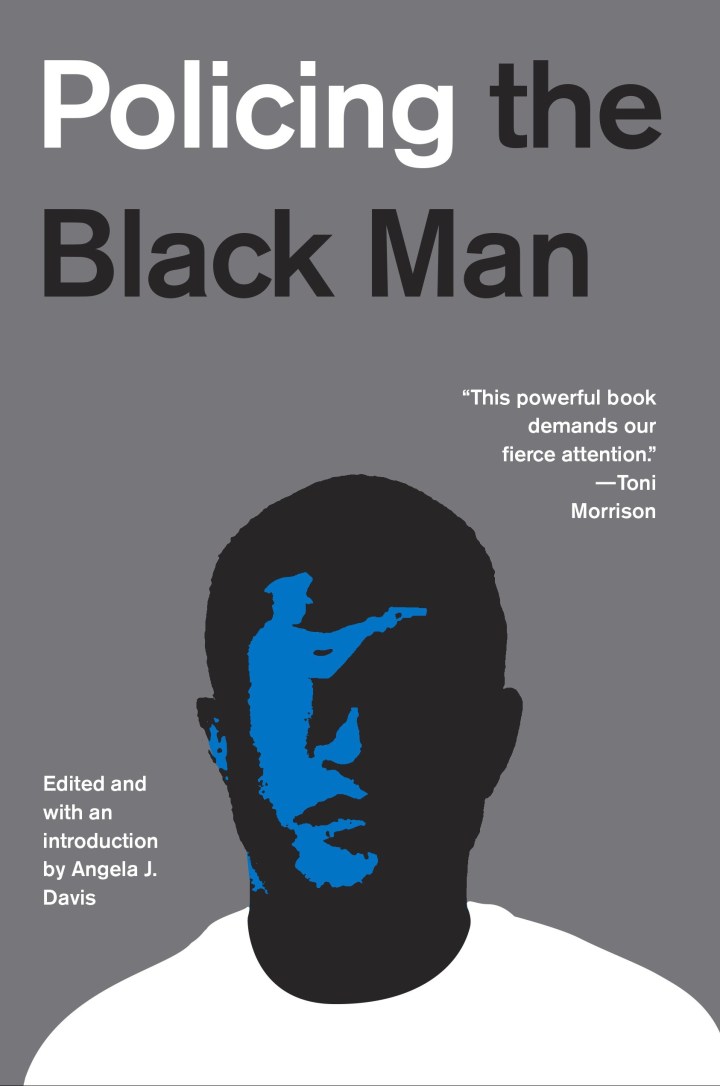
Policing The Black Man book coverAs white supremacists prepared to outwardly display hatred and prejudice in Charlottesville, Va., a standing-room-only crowd collected inside Atlanta’s Auburn Avenue Research Library on Friday, Aug. 11, to discuss the much more subversive and powerful forces that lead to the persecution of black men.

Angela J. DavisAmerican University law professor Angela J. Davis (no, not that, Angela Davis), editor of the new anthology Policing The Black Man, led the discussion, which was presented by The Baton Foundation.

Davis made clear that while outrage over police officers who kill black men is justified, prosecutors and plea bargains play an equally powerful role in their mistreatment.

The book aims to address all elements of policing, from arrest to sentencing, Davis said. At the same time, it “in no way trivializes” the unequal treatment experienced by black women, Latinos, Native Americans and LGBTs.

The black man’s situation is unique.

Consider:

  • Forty-nine percent of black men can expect to be arrested by age 23.
  • Black men are killed by police at 21 times the rate of their white counterparts.
  • One in three black men will be jailed at least once in their life if trends continue.

Police only have the power to take black men to the court’s front door, Davis said. The book’s significance is in explaining the forces beyond the badge.

Television shows such as “Law & Order” may portray an abundance trials, but the reality is that 90 percent of all criminal cases are resolved by a guilty plea, Davis said.

The combination of prosecutors who decide which charges to levy and people who are “desperate and afraid” of a fickle jury forces compromise when none should be required, Davis said.

For example, a person is caught with five bags of cocaine. The prosecutor can choose any range of charges, from five counts of possession with intent to distribute — a felony that comes with a mandatory minimum sentence — or a misdemeanor charge of possession.

Add “under resourced and overworked” public defenders (at least one person in the balcony agreed, as Davis’ assessment drew applause), and plea deals that expire at the end of a day, leaving defenders no means to properly research a case and effectively fight for their client, and “This is what passes as justice in courts across America,” Davis said.

Ultimately, Davis and her contributors, such as Bryan Stevenson (“A Presumption of Guilt”) and Jin Hee Lee and Sherrilyn A. Ifill (“Do Black Lives Matter to the Courts?”) want to inform and provide solutions.

A few that Davis suggested during the talk and Q&A afterward:

  • Get progressive prosecutors elected. Only four states have attorneys that are not elected. Ask about their policies on plea bargaining and charges.
  • Educate yourself. Watch Ava DuVernay’s 13th and read The New Jim Crow by Michelle Alexander, both of which explain the tie between America’s prisons and the profit gained by what some say is modern-day slavery due to the free labor and capital gains provided by the imprisoned.
  • Ask, “Who’s the person in charge of the one messing up?” For example, most police chiefs are appointed by mayors. If the police are acting out, put pressure on the mayor.
  • Understand that no matter the situation, it’s not the victim’s fault. “One of the things that’s so painful,” Davis said, is that black boys’ and men’s “mere existence causes them to be in danger. … It’s not the kids’ fault that they’re being shot.”
  • Demand that officers are fully trained. Studies show that police tend to overestimate the size and age of black boys, and underestimate it when the boys are white. “If they can’t be trained to get rid of that implicit bias, they have to go,” Davis said.

All in, the answer is us. “Everybody can’t do everything, but everybody can do something,” Davis said.

Whether you choose to confront racist movements head on, email a city councilperson, or have a real conversation with someone whose looks and beliefs are different than yours, get moving.

 

Lalah Hathaway album release show mesmerizes Atlanta

Like church when you come for the early service, but the music and message is so good you end up staying for the 11 o’clock, Lalah Hathaway took everyone there on Friday.

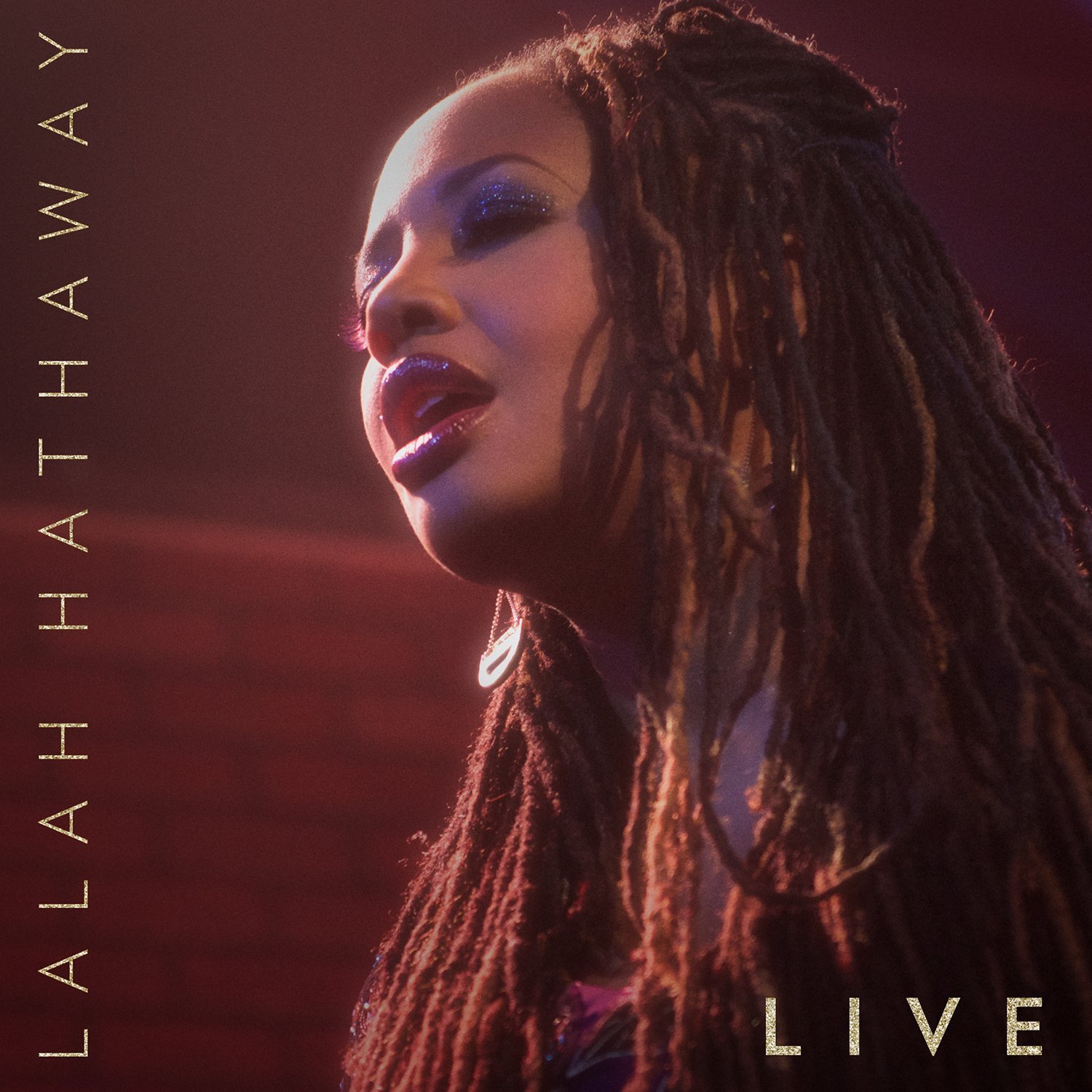
The show coincided with the release of her live album. After dreaming of it for more than 25 years, Hathaway said she considers Lalah Hathaway Live a companion to her father’s 1972 release of Donny Hathaway Live.

Just like her voice and her message, it’s every bit in the family.

Thank goodness — or rather thanks to Craig Garrett and Next Level Events — we’re now part of that family, having witnessed Hathaway’s delight in celebrating the album’s release.

For more photos from the Lalah Hathaway Atlanta show, check out Ray Cornelius' site at raycornelius.com.
For more photos from the Lalah Hathaway Atlanta show, check out Ray Cornelius’ site at raycornelius.com.

We must have made an impression. Atlanta may be the location for her next live album because, she said, “Y’all aren’t playing.”

When it comes to her, clearly not. Two sold-out shows at the not-so-small Center Stage prove it.

A video of “Little Ghetto Boy,” a song first made famous by her father, kicked off the show and her opening notes.

Hashtags #becomeaman and #getbetter made statements almost as strong as the “Racism Sucks” T-shirt Hathaway wore, courtesy of a meet-and-greet turned shopping trip earlier in the week at Darryl Harris’ Moods Music.

It didn’t take the crowd long to settle in and let Lalah do her thing, with “You Were Meant for Me” up next, and her strong supporting cast of background vocalists in tow for “Just Breathe.”

Hathaway shined on the classic “Summertime” with fun runs throughout that she made sound easy. How easy, you ask? Let Lalah whistle the song and show you.

Taking a step away from the mic, and getting a feel for the tune, she continued with “I’m Coming Back,” putting special emphasis on the line “It was a fool’s mistake to run and hide.”

Yes, Lalah, it is a good song — a simple answer for the question she asked the crowd.

As she did throughout the show, Hathaway broke from song and shared a sistergirl sense of humor, this time asking for a show of hands for anyone who remembered buying cassette tapes. “Not off eBay, but what you used to play in your Momma’s Lincoln.”

Oh, how I can relate — my stepdad had a baby blue Continental.

That ability to relate, whether through lyrics, banter with the crowd, or a pure appreciation for her talent, is what made this show so mesmerizing.

“Baby Don’t Cry” was the first more uptempo number of the night, but Hathaway didn’t linger there.

No, it was time to serenade Kirsten, a pledge backer from the new album’s fundraising efforts. The song, “Mirror,” tells listeners that “sometimes you have to make the mirror your best friend … love yourself when no one else can.” Another message made that much more personal.

Speaking of personal, you know when you’re in the car, and one of your favorite songs comes on, and you want to be the only one singing it, because it’s your song … but then other people in the car join in?

Those kinds of mixed feelings approached when Hathaway launched into “Angel” by Anita Baker. That song was made for her to cover. For her to sing.

But the crowd couldn’t contain itself. Voices lifted for the next set of true R&B songs, including “Good Love,” “Caught Up in the Rapture,” “Just Because,” and “No One in the World.”

The trip through soul music worth singing continued with Patrice Rushen, the Whispers, and Zapp — because, you know, as Hathaway said, she “could sing in the same register when I was age 12.”

Rufus and Chaka Khan’s “Sweet Thing” followed, with that family barbecue favorite “Before I Let Go” by Frankie Beverly and Maze giving Hathaway the room to boogie like she really was at a family barbecue.

She stayed for another helping, this time served up by Earth Wind and Fire and “Would You Mind.”

The Gap Band’s “Yearning for Your Love” and all its talk of running in and out ran along beautifully as Hathaway made melodic stylings of the phrase “my heart is yearning.”

By that time, the crowd was also yearning as Hathaway teased out “There was a time …,” the first few words of “Forever, For Always, For Love.” Her reprise of the song made everyone remember Luther Vandross in the best possible way. It was made complete with guitar from Isaiah Sharkey that licked the song clean and smooth, putting the rhythm in blues that he probably got honest hailing from Chicago.

A lovely, spare but fulfilling version of “One Day I’ll Fly Away” put guitar in the place of the late Joe Sample’s piano on the original version. “When will love be through with me?” One only knows but I’m glad Hathaway isn’t through with us yet.

She spoke in tongues to us all night, scatting through the song up until the moment when she did IT. The unmistakable three-notes-in-one miracle made widely known as part of her Grammy-winning update of “It’s Something” with Snarky Puppy. This time she did it for her Aunt Jackie, with her mom and lots of family in the audience in full support.

Sometimes you find family where you least expect it. When I was in Kroger yesterday, I asked a fellow shopper, “How are you?”

“Blessed and obedient,” he replied.

If you attended services on Friday, you were blessed. Now, do like the preacher woman Hathaway says, and go buy the album if you haven’t already. You’ll have the obedient part covered.